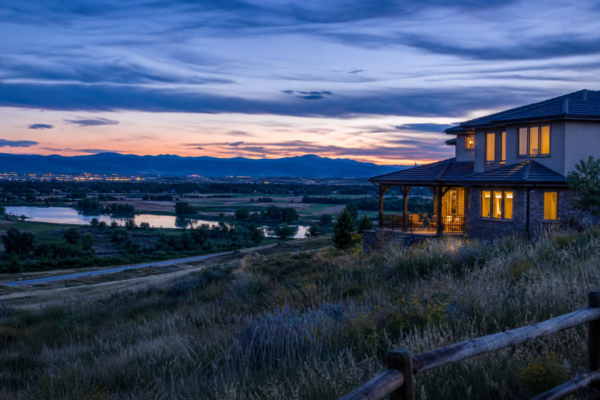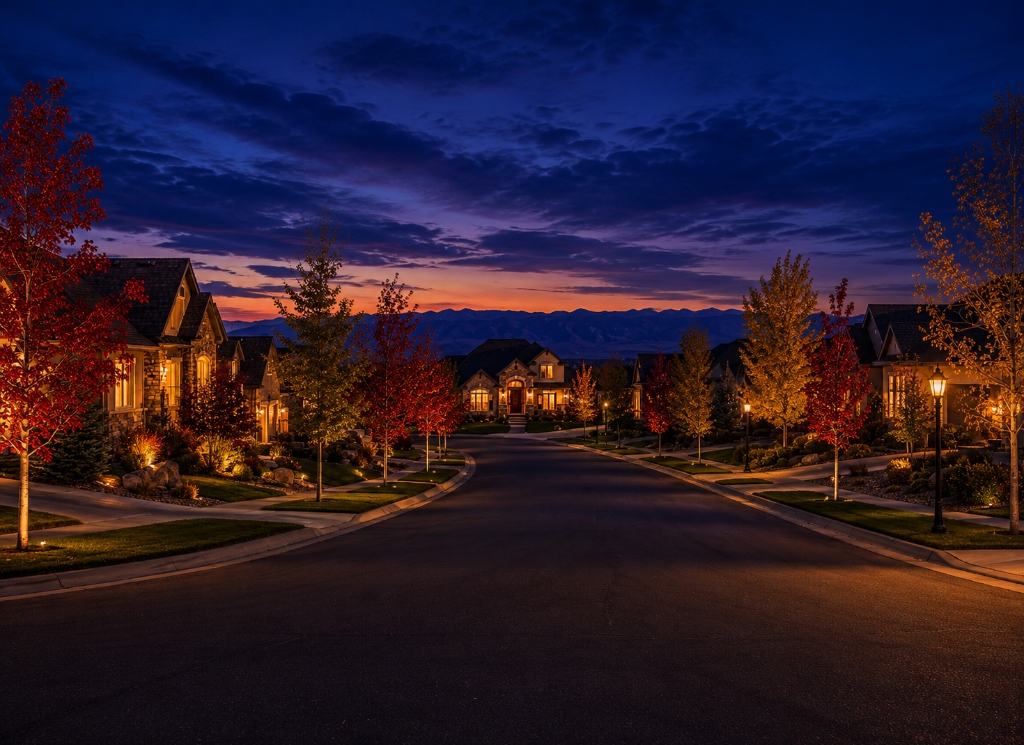

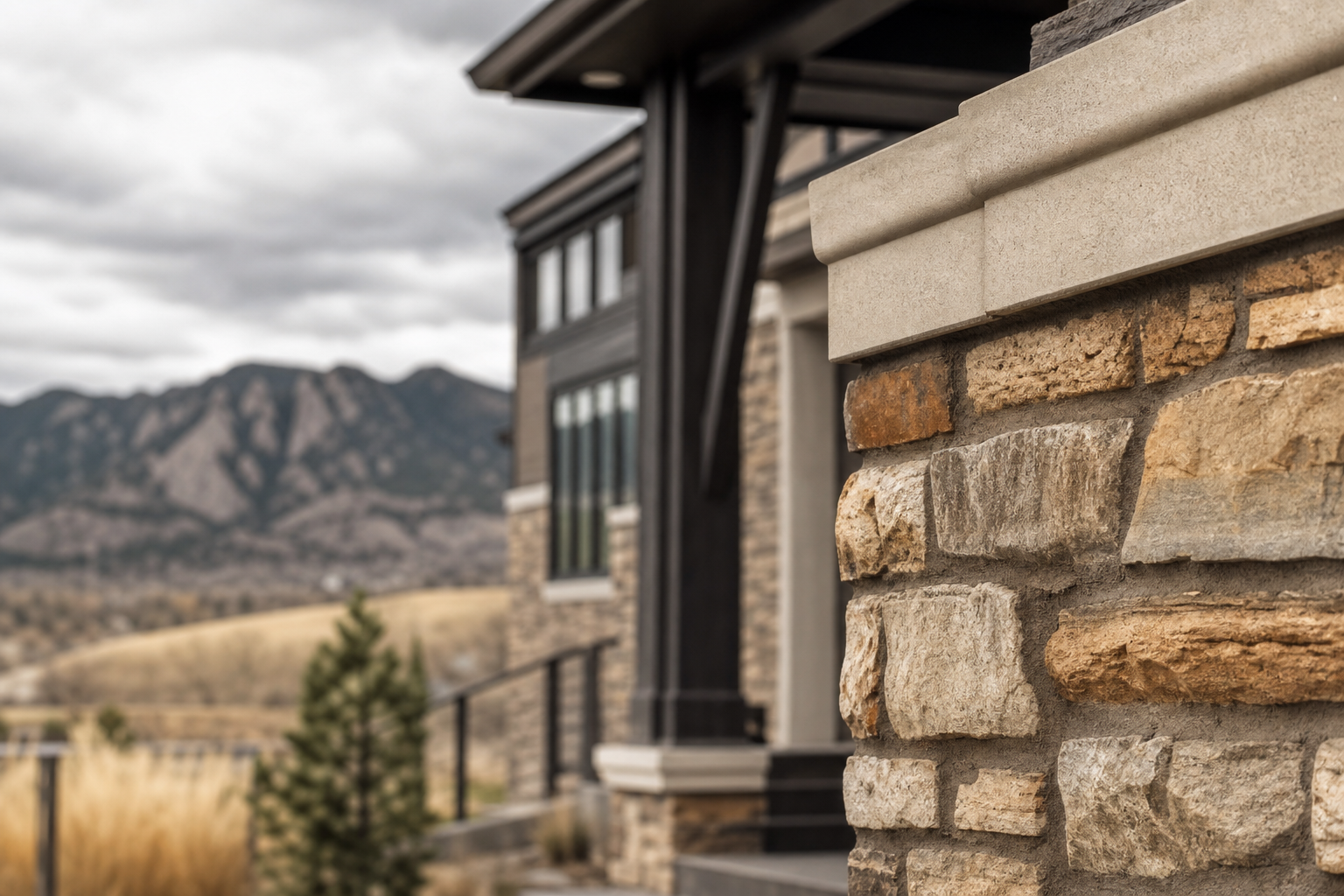
Broomfield’s open-space trail network offers some of the northwest metro’s best Flatiron views, especially from higher west-facing segments with open horizon exposure. For homebuyers, those views can factor into pricing and resale appeal, but they’re not guaranteed to last as the area grows.
Which Broomfield trails offer the best views of the Flatirons?
Broomfield’s open-space trail system gives hikers and cyclists access to some of the most rewarding Flatiron sightlines in the northwest metro. The strongest views come from higher, west-facing trail segments with open horizon exposure, particularly on clear days after a weather front moves through and scrubs the air clean. For buyers exploring the area, those same corridors often point directly toward the neighborhoods where mountain-view lots command a real premium.
Where to Find the Best Views on the Trail System
Broomfield sits squarely in the Denver-Boulder corridor, and that geography is the whole reason the views work. The city and county manage a network of open-space parcels that connect neighborhoods to natural areas, and the segments with the most reliable Flatiron sightlines share a few traits: elevation gain, westward or northwest-leaning orientation, and minimal tree or structure obstruction on the horizon.
The Broomfield Open Space and Trails program maintains trail connections around Broomfield County Commons Open Space and other county parcels. These are public trails designed for hiking, biking, and wildlife viewing, and several segments place you above the rooflines with a clear shot to the southwest where the Flatirons rise above the Boulder foothills.
A few things I’d tell anyone heading out specifically for the view:
- Go after a storm front. The Front Range gets hazy on still, warm days. The hour or two after a cold front passes through gives you the sharpest views of the Flatirons’ sandstone faces.
- Morning light hits the Flatirons from the east, which means you’re looking into good light from Broomfield in the morning hours. Late afternoon can wash out the contrast.
- Higher trail segments beat lower ones. Even modest elevation changes make a difference when you’re trying to clear rooftops, vegetation, and utility lines.
- Trail conditions and tree growth change. A segment that had open views five years ago may have filled in with vegetation or been partially blocked by new construction. Verify current conditions before you drive out.
The AllTrails database for Broomfield is a practical starting point for current trail conditions and user photos that show what the views actually look like on a given segment today.
Neighborhoods with the Strongest View Corridors
For buyers, the trail access question and the neighborhood question are often the same question. The communities in Broomfield’s northwest quadrant, including Anthem Highlands, Wildgrass, and Silverleaf, sit at elevations and orientations that put them closest to those west-facing view corridors. Homes in these neighborhoods are often marketed with Flatiron or mountain views as a feature, and that’s not just lifestyle copy. It reflects real demand from buyers who’ve done the commute math and decided that Broomfield’s position between Denver and Boulder, combined with trail access and open-space adjacency, is worth paying for.
Broomfield’s housing market draws from both Denver and Boulder demand pools, according to local northwest metro market commentary, and buyers in this corridor routinely weigh trail access, commute patterns, and view premiums together as a package rather than separately.
What Buyers Should Know Before Paying for a View Lot
Here’s the honest conversation I have with every buyer who falls in love with a Flatiron view from a deck or a living room window: views are not permanent. In a growing suburban market like northwest metro Denver, what’s an unobstructed sightline today can become a partially blocked one after a neighbor builds a second story, a developer breaks ground on an adjacent parcel, or vegetation fills in over a decade. That’s not a reason to walk away from a view lot, but it is a reason to go in with clear eyes.
Before closing on any property marketed for its views, I’d encourage buyers to investigate:
- Which rooms actually have the view. Is it the primary living area and the main deck, or is it only visible from one upstairs bedroom at a specific angle? That distinction matters a lot for daily enjoyment and for resale.
- Adjacent zoning and entitlements. What can be built on the parcels to the west or northwest? A quick check with the Broomfield Planning and Zoning department can tell you what’s entitled or pending nearby.
- HOA covenants on landscaping and structure height. In some communities, those rules protect view corridors. In others, they don’t.
- Easements and open-space buffers. A dedicated open-space parcel between your lot and the next development is a meaningful view protector. An easement that allows future utility or trail infrastructure is different.
Colorado sellers are required to complete a Sellers Property Disclosure covering known material facts about the property’s condition. That includes things like prior water intrusion, roof history, boundary disputes, and HOA restrictions, but it doesn’t automatically capture future development risk to a view. That’s the buyer’s due-diligence territory, and it’s worth doing thoroughly.
For homes built before 1978, federal rules under the EPA’s lead-based paint disclosure requirements also apply: sellers must provide the EPA pamphlet, disclose any known lead hazards, and allow a 10-day inspection period unless the buyer waives it in writing. Flag this early in the timeline so it doesn’t compress your closing schedule.
The Colorado Closing Process in Brief
In Broomfield transactions, a title company typically coordinates the title search, title insurance, escrow, document signing, and recording. After closing, the deed is recorded with the Broomfield County Clerk and Recorder. Confirm with your closing officer who is handling recording fees and any county-specific document charges, because those details vary by transaction and aren’t always spelled out in the initial paperwork.
Colorado does not have a statewide real-estate transfer tax in the way some other states do, according to Colorado Department of Revenue guidance, but any municipality or county-level charges should be verified for your specific transaction. That’s a conversation to have with your title company and your agent before you’re at the closing table.
If you’re thinking about selling a view-home and buying up in this market, the simultaneous sell-and-buy experience matters more than people expect. I always tell clients that having an agent who’s done that specific sequence in this specific market, not just one or the other, is non-negotiable. The timing between your sale and your purchase is where deals either come together or fall apart.
| View Lot Due-Diligence Item | Where to Verify | Why It Matters |
|---|---|---|
| Adjacent parcel zoning and entitlements | Broomfield Planning and Zoning | Future construction could partially or fully block the view |
| Open-space buffer or easement status | County Clerk and Recorder / title search | Dedicated open space offers stronger view protection than a generic easement |
| HOA covenants on structure height and landscaping | HOA governing documents | May protect or fail to protect view corridors from neighbor changes |
| Which rooms have the view and at what angle | In-person visit at multiple times of day | Affects daily livability and future resale appeal |
| Sellers Property Disclosure | Provided by seller per Colorado Real Estate Commission requirements | Covers known material facts about condition, easements, and HOA restrictions |
Frequently Asked Questions
Which Broomfield trails have the best Flatiron views?
The strongest Flatiron sightlines in Broomfield come from higher trail segments with west-facing or northwest-leaning orientation and open horizon exposure. Trails connected to Broomfield County Commons Open Space and other county open-space parcels are the most consistent starting points. Conditions change with vegetation growth and nearby development, so checking recent user photos on a trail platform like AllTrails before you go is worth the two minutes.
What time of day is best for seeing the Flatirons from Broomfield open space?
Morning hours tend to offer the best light and contrast since you’re looking westward into the foothills with the sun behind you. The single biggest factor, though, is air quality: the clearest views come in the hour or two after a weather front moves through. Hazy, still days in summer can reduce visibility significantly even when skies look blue overhead.
Which Broomfield neighborhoods are most likely to have mountain or Flatiron views?
Neighborhoods in Broomfield’s northwest quadrant, including Anthem Highlands, Wildgrass, and Silverleaf, sit at elevations and orientations that put them closest to the west-facing view corridors. Not every home in these communities has a view, and the quality varies significantly by lot position and elevation. The only reliable way to confirm a specific home’s view is an in-person visit at multiple times of day.
Does a Flatiron view increase home value in Broomfield?
View premiums are real in this market, but they’re not uniform. A clear, primary-living-area Flatiron view in a community like Anthem Highlands or Wildgrass can meaningfully affect a home’s price relative to a comparable non-view property. The premium depends on how prominent the view is, which rooms capture it, and whether anything is likely to obstruct it. Your specific number depends on current comparable sales, your home’s orientation, and timing, which is exactly the kind of analysis a local market comparison can answer.
What should buyers verify about a view lot before closing?
At minimum: what’s zoned and entitled on adjacent parcels to the west and northwest, whether there’s a dedicated open-space buffer protecting the sightline, what the HOA covenants say about structure height and landscaping, and which rooms actually capture the view versus which ones only have a partial or seasonal glimpse. Future construction, vegetation growth, and topography changes can all alter a view over time, so treat it as a current asset rather than a permanent one.
How does the Sellers Property Disclosure work in Colorado?
Colorado sellers complete a Sellers Property Disclosure covering known material facts about the property’s condition, including water intrusion history, roof condition, boundary disputes, easements, and HOA restrictions. It’s part of standard residential transaction paperwork in the state and is typically provided to buyers early in the contract period. It doesn’t cover future development risk to a view, so buyers need to do their own due diligence on that front.
The Broomfield trail system and the Flatiron views it frames are genuinely part of what makes this corner of the northwest metro worth paying attention to. If you’re a buyer trying to figure out which neighborhoods and which specific lots actually deliver on that lifestyle promise, or a seller trying to position a view home correctly in this market, the conversation starts with someone who knows the difference between a lot that has a view and a lot that will keep its view. That’s exactly what I do with clients every day.
Ready to talk about which Broomfield neighborhoods match what you’re looking for? Schedule a conversation with The North Star Team and let’s start with the specifics of your search.
Equal Housing Opportunity. John Grandt is a licensed real estate broker with Real Broker, LLC, regulated by the Colorado Division of Real Estate. This article is general information only and is not legal, tax, or financial advice. Confirm all figures, disclosures, and transaction details with your attorney, tax advisor, lender, or closing officer. By contacting The North Star Team, you agree to be contacted via call, email, and text for real estate services. Reply ‘stop’ to opt out. Message and data rates may apply.