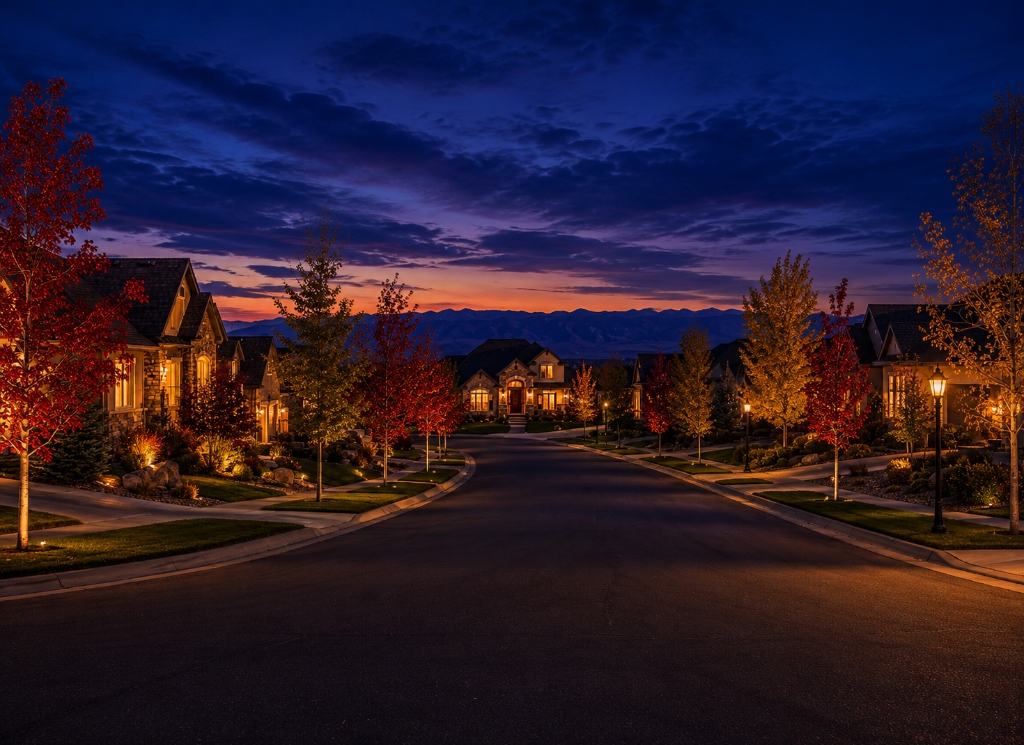


Pearl Street and Chautauqua draw Boulder buyers with walkable amenity access, direct Flatirons trail access, and some of the most stable home values in the Denver metro. Homes near both areas command premiums, and inventory stays tight, making local guidance essential before you make a move.
Why do Pearl Street and Chautauqua attract Boulder homebuyers?
Pearl Street and Chautauqua represent two of Boulder’s most enduring draws for buyers: a pedestrian-friendly urban core with independent shops and restaurants, and a historic park neighborhood at the base of the Flatirons with immediate trail access. Homes near both areas consistently hold value well above the broader Denver metro median, inventory turns over quickly, and demand from both local move-up buyers and out-of-state relocators stays elevated year-round.
What Makes These Two Areas So Distinct (and So Sought-After)
I get asked about Boulder a lot. Buyers in Broomfield and the northwest metro often keep Boulder on their radar, and Pearl Street and Chautauqua come up in nearly every conversation. It’s worth being specific about what each area actually offers, because they attract buyers for very different reasons.
Pearl Street: The Urban Core That Stayed Walkable
Pearl Street Mall is a four-block pedestrian corridor in the heart of downtown Boulder. It has been a protected car-free zone since 1977, which is a big reason the street has kept its independent character while most American downtowns gave theirs away. You’ll find local restaurants, bookstores, galleries, and live performance spaces alongside national retailers, but the scale stays human.
For buyers, what matters is proximity. Homes within a half-mile of Pearl Street put you in walking distance of the Boulder Creek Path, the Saturday Boulder County Farmers Market, and the full stretch of downtown amenities. That walkability score is a real driver of home values in this corridor, and it shows up in how quickly listings move.
Chautauqua: A National Historic Landmark With Trail Access at Your Doorstep
Chautauqua Park sits at the base of the Flatirons on Boulder’s southwest side. The grounds include a National Historic Landmark auditorium, a dining hall, and a cluster of historic cottages, all of which date to the late 1800s. The real draw for buyers, though, is the trail network: you walk out of your neighborhood and you are immediately on open space managed by the City of Boulder Open Space and Mountain Parks department, with direct access to the Royal Arch Trail, the First, Second, and Third Flatiron approaches, and dozens of connecting routes.
The neighborhoods immediately adjacent to Chautauqua, including sections of South Boulder and Table Mesa, are among the most stable in the city. Buyers who get in rarely leave voluntarily, which means you are competing for limited inventory every time a home comes up.
Boulder Real Estate: What the Numbers Tell You
Boulder has long carried a premium over the broader Denver metro, and that gap has not closed in any meaningful way. According to the Colorado Association of REALTORS®, Boulder County has consistently posted median single-family home prices well above the statewide median. The National Association of REALTORS® notes that markets with high walkability scores and protected open space access tend to sustain value premiums even through broader market corrections, which tracks with what I see in Boulder specifically.
Days on market for well-priced homes near Pearl Street and Chautauqua have historically run shorter than the Denver metro average. That is not an accident. It reflects a supply constraint that is structural: Boulder’s open space acquisition program has permanently removed a significant portion of developable land from the market. You cannot build your way out of the supply problem the way you might in a suburban market, which is one reason these neighborhoods behave differently from Broomfield or Arvada in a downturn.
| Feature | Pearl Street Area | Chautauqua Area |
|---|---|---|
| Primary buyer draw | Walkable downtown amenities, dining, culture | Trail access, open space, historic character |
| Typical housing stock | Condos, townhomes, bungalows, mixed-use | Single-family homes, historic cottages |
| Open space access | Boulder Creek Path, downtown parks | Direct Flatirons trailheads, OSMP network |
| Supply constraint driver | Downtown density limits, historic preservation | Permanent open space boundary, limited lots |
| Inventory turnover | Competitive, especially condos under $800K | Very low; owners tend to hold long-term |
Your specific situation matters here. A condo near Pearl Street and a single-family home backing to Chautauqua open space are very different purchases in terms of price point, HOA considerations, and long-term appreciation profile. That’s exactly the kind of comparison I walk buyers through before they start touring.
What Boulder Buyers Should Understand Before They Search
The Price-to-Value Calculation Is Different Here
Boulder is not a market where you shop by square footage. A 1,400-square-foot ranch near Chautauqua will price higher than a 2,200-square-foot home in many Denver suburbs, and for most buyers who’ve done the math, it still makes sense. What you’re paying for is access to permanently protected open space, a walkable urban core, and a supply constraint that doesn’t reverse. The REcolorado MLS data consistently shows Boulder’s price-per-square-foot running at a significant premium to the metro average, and that gap tends to widen rather than narrow over time.
Financing and Inspection Timelines Move Fast
In a competitive Boulder neighborhood, you don’t have the luxury of a slow decision. The Consumer Financial Protection Bureau recommends having full mortgage pre-approval (not just pre-qualification) in hand before making an offer in any competitive market. In Boulder, that’s non-negotiable. I’ve seen buyers lose homes they loved because their financing wasn’t buttoned up when the right listing came available.
Colorado uses an inspection objection and resolution process under the Colorado Division of Real Estate‘s standard contract forms. In fast-moving Boulder neighborhoods, inspection timelines are often compressed in negotiation. You want an agent who has managed that process in this market specifically, not someone learning on the job with your purchase.
HOA and Historic District Rules Vary Widely
Some Pearl Street-adjacent condos carry HOA structures with rental restrictions or short-term rental prohibitions, which matters if you’re considering the property as an investment or want flexibility down the road. Chautauqua’s historic cottage lots have their own set of preservation guidelines managed through the City of Boulder. Neither is a dealbreaker, but both require due diligence before you’re under contract, not after.
The NAR Generational Trends Report consistently shows that buyers who work with an experienced local agent are significantly more likely to feel informed about HOA terms and neighborhood-specific restrictions at closing. In a market like Boulder, where those details can affect both your daily life and your resale value, that guidance is worth more than most buyers realize until they need it.
Frequently Asked Questions
Q: Are homes near Pearl Street in Boulder a good investment in 2026?
Historically, yes. Boulder’s structural supply constraint, driven by its open space acquisition program and density limits, has supported long-term value stability in the Pearl Street corridor. That said, every purchase depends on your specific price point, financing, and holding timeline. A current market analysis is the right starting point before drawing conclusions about any individual property.
Q: What types of homes are available near Chautauqua in Boulder?
The neighborhoods adjacent to Chautauqua Park include a mix of mid-century ranches, updated bungalows, and larger single-family homes on the south and southwest sides of Boulder. Historic cottages within the Chautauqua grounds themselves come to market occasionally and carry their own preservation guidelines. Inventory in this area is consistently low, so working with an agent who monitors new listings actively is essential.
Q: How does Boulder compare to Broomfield for homebuyers in the northwest metro?
Boulder typically carries a higher price-per-square-foot than Broomfield or other northwest metro communities, but the two markets attract different buyers. Broomfield offers newer construction, more inventory, and communities like Anthem Highlands and The Broadlands with strong amenity packages. Boulder offers walkability, trail access, and a supply-constrained market with a long track record of value retention. Many buyers I work with consider both before deciding where they want to be.
Q: What should I know about Boulder’s open space rules before buying near Chautauqua?
Boulder’s Open Space and Mountain Parks department manages the land adjacent to Chautauqua under specific use rules, including leash requirements, seasonal wildlife closures, and trail access protocols. These don’t restrict what you can do with your home, but they do affect how you use the surrounding land. Understanding those rules before you buy helps set realistic expectations for daily life in the neighborhood.
Q: Is now a good time to buy in Boulder, Colorado?
Market timing is always specific to your situation. As of August 2026, the Denver metro has been navigating elevated interest rates alongside persistent inventory pressure in high-demand areas like Boulder. The Colorado Association of REALTORS® publishes monthly market statistics that give a current read on days on market and list-to-sale price ratios. The best way to assess your specific window is to run the numbers with a local agent who knows Boulder’s submarkets in detail.
Ready to Explore Boulder, or Staying in the Northwest Metro?
Whether Pearl Street and Chautauqua are on your shortlist or you’re still weighing Boulder against communities like Anthem Highlands, Wildgrass, or The Broadlands, the decision comes down to what your daily life should look like and what the numbers actually support for your budget. I help buyers work through exactly that comparison, with real data and no pressure.
If you’re ready to talk through your options, schedule a conversation with The North Star Team and we’ll start with where you are, not where a search algorithm thinks you should be.
Equal Housing Opportunity. John Grandt is a licensed Colorado real estate broker with Real Broker, LLC, regulated by the Colorado Division of Real Estate. This article is general information only and does not constitute legal, tax, or financial advice. Confirm all details specific to your transaction with your attorney, tax advisor, lender, or closing officer. By contacting The North Star Team, you agree to be contacted via call, email, and text for real estate services. Reply ‘stop’ to opt out. Message and data rates may apply.