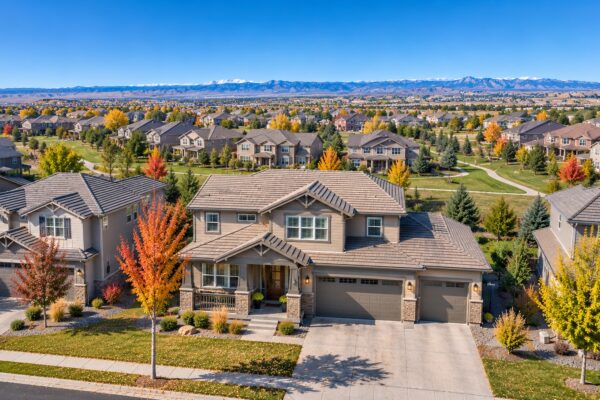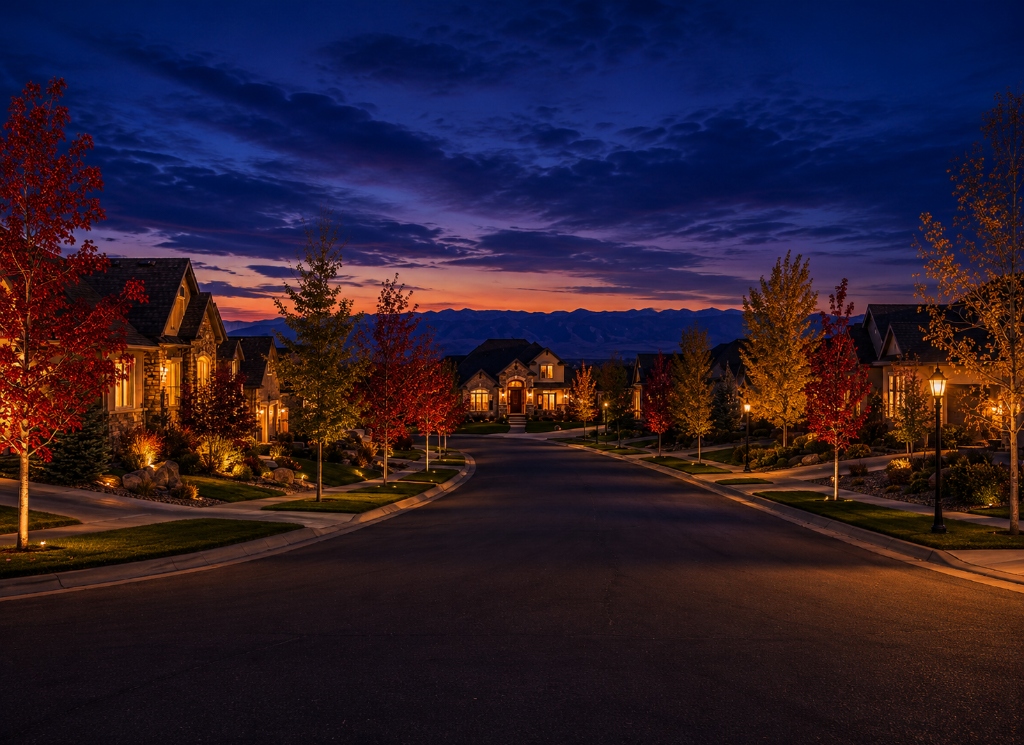

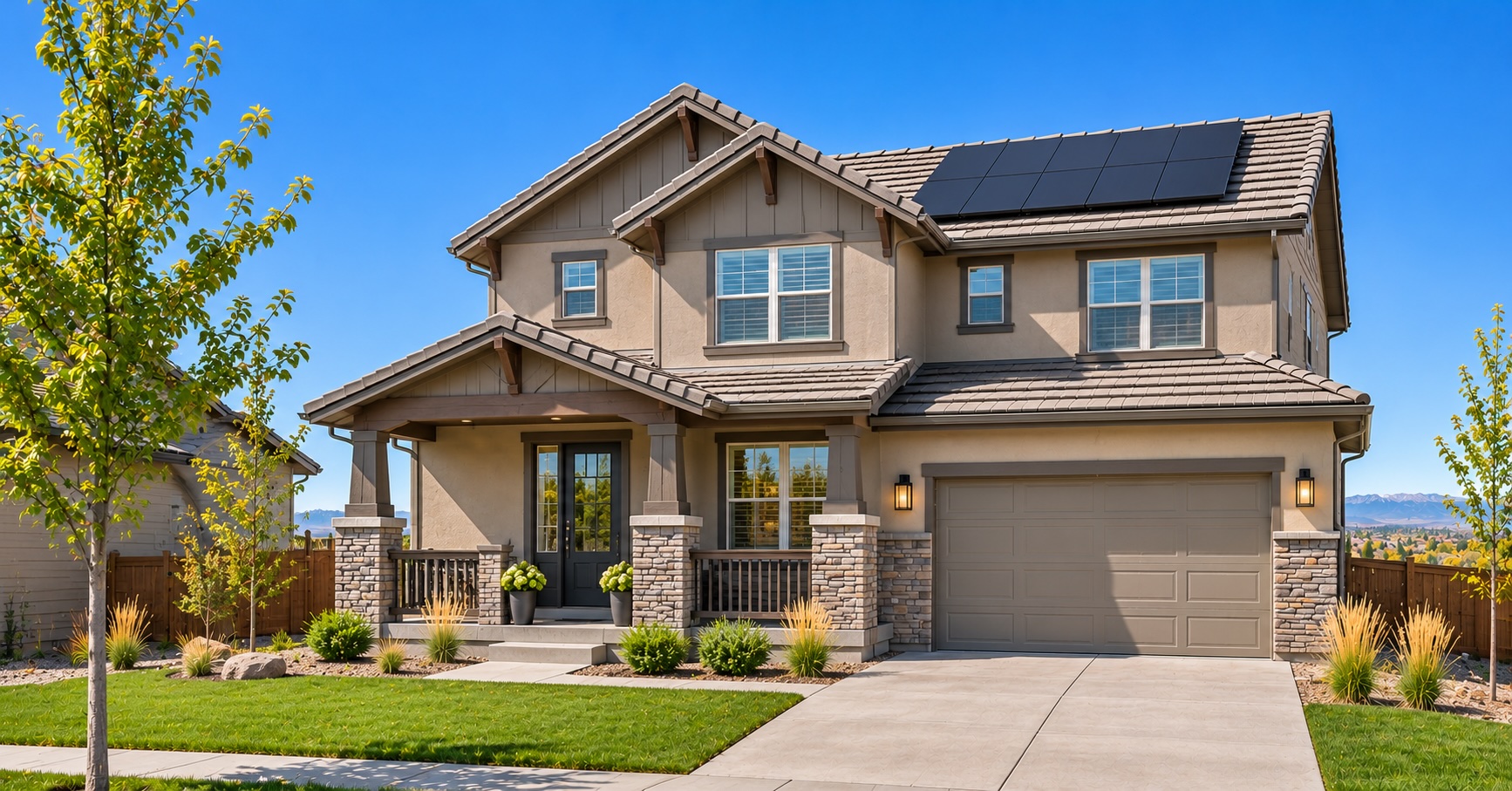
If your Anthem Highlands home has solar panels, will they help or complicate your sale?
The answer depends mostly on one thing: whether you own your solar system or a company owns it. Solar that you own outright is usually simple to sell and can add appeal for buyers. Solar with a loan, a lease, or a power purchase agreement adds paperwork, and it can delay your closing if you wait too long to deal with it. Start by finding your solar contract, then share the system’s age, warranty, and electric bills with buyers.
Why Solar Panels Matter When You Sell in Anthem Highlands
Most Anthem homes don’t have solar panels. Every home Lennar built in Anthem came with solar, but Lennar built only a small share of the neighborhood. Most Anthem homes were built by Pulte, Richmond American, Epic Homes, Standard Pacific, and CalAtlantic. Standard Pacific and CalAtlantic are now part of Lennar, but their homes were not built with solar.
Solar homes do come up for sale, though. Of the 69 single-family homes that sold in Anthem’s all-ages neighborhoods from January through mid-October 2026, at least five had solar, based on REcolorado MLS listing details. Three of those systems were owned or paid off. In a fourth, the buyer took over the seller’s solar loan, and the fifth listing asked buyers to contact the agent for solar details.
That small group shows how different solar sales can be. Five homes are too few to measure what solar adds to a sale price in Anthem. They do show that the way you own your system shapes how your sale goes.
The rules also changed this year. The federal 30% tax credit for homeowner-owned solar ended for systems installed after December 31, 2025. A buyer who wants solar on their next home now pays more to add it. That may make a home that already has solar a bit more appealing, especially if the system is owned and paid off.
First, Find Out What Kind of Solar You Have
Most solar systems fall into one of four groups. Your contract will tell you which one you have:
- Owned outright: You paid cash or paid off your loan. The panels belong to you and usually transfer with the house.
- Owned with a solar loan: You own the panels, but a lender has a claim on them until the loan is paid off.
- Leased: A solar company owns the panels and you pay a monthly lease payment to use them.
- Power purchase agreement (PPA): A solar company owns the panels and you pay for the electricity they produce, usually at a set rate.
If you are not sure, look at your monthly statement or call your solar company. You will need this answer before you list.
If You Own a Lennar Home in Anthem
If Lennar built your home, its solar came through Lennar’s own solar company, SunStreet. Homes built by Standard Pacific and CalAtlantic before they became part of Lennar were not built with solar. Depending on the home and the year, buyers could typically buy the system or sign a long-term agreement to pay for the power it produces. So two Lennar homes on the same street can have very different solar arrangements, even though both have solar panels in Anthem Highlands.
The company behind those agreements has also changed hands. Sunnova bought SunStreet from Lennar in 2021. Sunnova then filed for bankruptcy in 2025, and the court approved a sale in which SunStrong Management took over servicing of its customers’ solar systems.
Here is what that means for you. If you bought your system, find your proof of purchase or payoff. If you have a power purchase agreement or lease, your monthly statement shows which company services it now. Contact that company early and ask for a transfer packet and a buyout figure before you list.
Owned Solar Is the Simplest to Sell
If you own your system outright, the panels usually transfer with your home like any other fixture. Your job is to show buyers what the system is worth to them.
A 2019 Zillow analysis found that homes with solar panels sold for about 4.1% more nationally than similar homes without them. That study is several years old and national, so treat it as a general guide, not a promise for your home. Also keep in mind that solar rarely returns its full installation cost at resale. In the 2025 Cost vs. Value report, a solar installation returned about 30% of its cost nationally.
What buyers care about most is simple. How old is the system, how much warranty is left, and how much does it lower the electric bill?
Solar Loans: Check Before You List
If you financed your system, call your lender before you list. Many solar loans are paid off from your sale proceeds at closing, and the lender then releases its claim on the panels. Some loans can be taken over by the buyer, as happened in one Anthem sale this year.
Either way, find out early. Ask for a payoff amount and the steps to release the lien, and share them with your title company. A surprise lien late in the process can delay your closing.
Leases and PPAs: Start Early
If a solar company owns your panels, you have a few options:
- Transfer the contract to your buyer: This is often the simplest path. The solar company usually needs to approve the buyer, which can include a credit check and take some time.
- Buy out the contract: You can pay off the remaining value, often from your sale proceeds. Some contracts limit buyouts in the early years, so check yours.
- Move the panels: Some companies let you move the system to your next home. Removing and reinstalling panels typically costs about $500 to $2,500, according to Solar United Neighbors.
Many leases and PPAs come with a UCC-1 fixture filing, which is a public notice that the solar company owns the equipment. It can show up in the title search and look like a lien to the buyer’s lender. That is why it helps to request a transfer packet and buyout figure from your solar company before you list, not after you go under contract.
What the Colorado Disclosure Form Asks About Solar
In Colorado, sellers who work with a broker fill out the Colorado Real Estate Commission’s Seller’s Property Disclosure. The form lists solar panels in its electrical section, with boxes to mark whether they are owned or leased. It also asks whether you know of any problems with them now and how old they are, if you know.
Two other parts of the form matter for solar. First, you must disclose any adverse material fact you know about, even if the form has no specific question for it. Second, the form says the purchase contract, not the disclosure, decides what comes with the home. If a solar company owns your panels, make sure your contract spells out how the lease will be handled, so nothing is left to assumption.
Paperwork to Gather Before You List
Having these ready makes your home easier to sell and helps buyers trust what you tell them:
- Your solar contract: The purchase agreement, loan documents, lease, or PPA.
- 12 months of electric bills: These show buyers what they can expect to pay.
- Production data: A screenshot or report from your monitoring app shows how much the system produces.
- Warranty information: Include the panel, inverter, and installer warranties, along with how many years remain.
- Installation records: Include the install date, system size, permits, and any roof work done at the same time.
- Your HOA approval: Keep the approval letter from when the panels were installed.
Think About Your Roof
Hail is common on the Front Range, so buyers and inspectors look closely at roofs. With solar, they will also ask what happens when the roof needs to be replaced. The panels have to come off and go back on, which adds cost.
If your roof is newer than your panels or was replaced when they were installed, tell buyers. If your roof is older, expect questions, and consider getting a roofer’s opinion before you list.
Your Electric Account and Bill Credits
Anthem Highlands gets its electricity from United Power, a member-owned electric cooperative, not Xcel Energy. When you sell, your United Power account closes and your buyer opens a new one.
Under Colorado law, cooperatives like United Power carry extra solar credits forward from month to month. When your service ends, the cooperative has 60 days to settle any credits you have built up, in the way it chooses. Call United Power before closing to ask how your credits will be handled. Also give your buyer a copy of your interconnection paperwork, so they know the system is approved.
What About the HOA?
Colorado law limits how much an HOA can restrict solar. Under state law, an HOA cannot effectively ban solar panels on your home. It can set reasonable rules about size, placement, and appearance, as long as those rules don’t raise the cost by more than 10% or reduce performance by more than 10%. An HOA also has to decide on a solar application within 60 days.
That matters to your buyer, too. If a buyer is thinking about adding panels or expanding your system, it helps to know their HOA cannot simply say no.
How to Present Your Anthem Highlands Solar Panels to Buyers
- Lead with the numbers: Put the average monthly electric bill in your listing and in your home’s printed materials.
- Explain the ownership clearly: Buyers relax when they know right away whether the system is owned, financed, or leased.
- Show the system’s age and warranty: Buyers want to know how many years the panels have left.
- Ask your appraiser about a green addendum: Appraisers can use a green energy addendum to document your system, which helps them value it properly.
I’ve lived in Anthem Highlands since 2014 and have sold 19 homes here. If your home has solar, I’m happy to help you sort out the paperwork early so it doesn’t slow down your sale.
Frequently Asked Questions
Yes. Every home Lennar built in Anthem came with solar panels through Lennar’s solar company, SunStreet. Homes built by Standard Pacific and CalAtlantic, which are now part of Lennar, were not built with solar.
Owned solar can add appeal, but the effect varies. A 2019 Zillow analysis found homes with solar sold for about 4.1% more nationally. Only about five Anthem homes with solar sold from January through mid-October 2026, which is too few to measure a local effect.
It can take more time. The solar company usually has to approve the buyer, or you need to buy out the lease. A UCC-1 fixture filing can also complicate the buyer’s loan, so start the process before you list.
Many solar loans are paid off from your sale proceeds at closing, and the lender releases its claim on the panels. Some loans can be taken over by the buyer. Call your lender for a payoff amount before you list.
Usually, yes. Most solar companies allow lease transfers, but the buyer typically has to qualify, which can include a credit check. Ask your solar company for a transfer packet early.
Yes, for homeowner-owned systems. The 30% federal credit ended for systems installed after December 31, 2025. Systems owned by solar companies, such as leases and PPAs, follow separate rules.
Not entirely. Colorado law voids HOA rules that effectively ban solar. HOAs can set reasonable rules about size, placement, and appearance, and they must respond to applications within 60 days.
Yes. The Colorado Seller’s Property Disclosure lists solar panels in its electrical section and asks you to mark them as owned or leased, give their age, and whether you know of any problems. Your purchase contract decides whether the panels come with the home.
Gather your solar contract, 12 months of electric bills, production data, warranty information, installation records, and your HOA approval letter.
United Power carries extra solar credits forward from month to month. Under Colorado law, the cooperative settles any remaining credits within 60 days after your service ends, in the way it chooses. Call United Power before closing to ask how yours will be handled.
Usually not. Owned panels typically add appeal, and removing them costs money. If you have a lease or PPA, check whether moving the panels is allowed, which typically costs about $500 to $2,500.
The Bottom Line
Solar panels can help your Anthem Highlands home stand out, especially if you own them outright. The key is knowing how your system is owned and dealing with any loan, lease, or PPA before you list. Gather your contract, electric bills, and warranty details, and be ready to answer questions about your roof. With that preparation, solar becomes a selling point instead of a last-minute problem.
I’d be glad to help you prepare your solar home for sale. I’ve been helping Broomfield homeowners since 2017, with more than 80 closed transactions and five-star reviews on every platform. You can reach me, John Grandt with The North Star Team Powered by Real Broker, at 720.351.8488.
Looking for a trusted Anthem Highlands real estate team? Work with our Anthem Highlands listing specialist and review recent Anthem Highlands closings first. Call John Grandt and The North Star Team at 720-351-8488.